







Search Results for: swirling the server
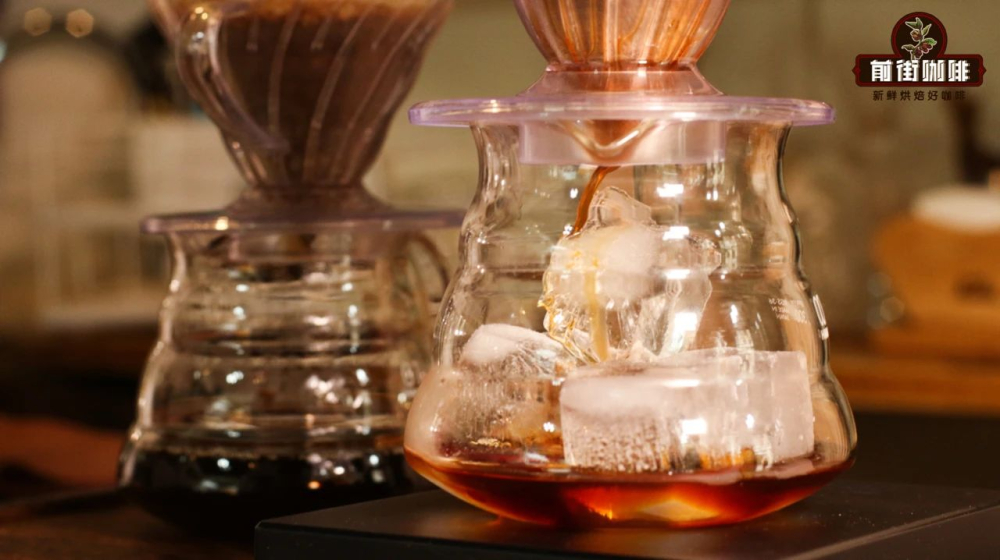
Japanese Iced Pour-Over Ratio | How Do You Make Iced Pour-Over Coffee? For Iced Pour-Over Coffee, Do You Put the Ice in First or Add It Later? How Do You Describe the Flavor and Mouthfeel Characteristics of Iced Pour-Over?
To drink iced coffee, is cold brew the only option? Not at all!! There are many ways to make iced coffee, such as Japanese-style iced coffee. Today, I'll share with you how to make a cup of Japanese-style iced coffee. A few days ago, a customer asked, "How do you brew your iced pour-over coffee? Is there a difference between adding ice first and adding ice later?" This [more…]

Should You Swirl the Carafe After Brewing Pour-Over Coffee? Analyzing the Real Impact of Swirling on Flavor Uniformity, Cooling, and Aroma Release
Many coffee enthusiasts, after brewing pour-over coffee, notice baristas habitually swirling the sharing pitcher, yet are unclear about what this step actually does. This article focuses on this detail when brewing single-origin coffee, explaining why swirling the coffee liquid makes the taste and concentration more uniform, how it speeds up cooling, and how it promotes the release of aroma. Starting from the proportion of soluble coffee substances and the stratification phenomenon of liquids with different concentrations, combined with Front Street's comparative experiments, the article explains the differences between swirling and not swirling in terms of concentration, temperature, and flavor performance, and offers operational suggestions for different drinking scenarios. [more…]
Pour-Over vs. American Drip Machine: Which Makes Better Coffee? A Full Analysis of the Pros and Cons of Brewing Freshly Ground Black Coffee
Pour-over coffee and American drip coffee machines are quite similar in their brewing methods, both relying on steady drip filtration in a pressure-free environment. However, the differences between manual and machine brewing lead to distinctly different flavor profiles and suitable scenarios. Drawing on the production experience of Front Street Coffee, this article examines the key steps that influence pour-over flavor one by one—from cup warming and grinding to equipment combinations, blooming, and brewing—while also comparing the advantages and disadvantages of American drip machines, helping coffee enthusiasts understand why pour-over is more favored, as well as the details and timing control to pay attention to when practicing at home. [more…]
Essential Course for Pour-Over Coffee Beginners: Dissolution and Diffusion Principles, Three-Stage Extraction Flavors, and Golden Cup Standard Parameters Explained
To brew a good pour-over coffee, you first need to understand the principles behind it. Dissolution and diffusion are the two core mechanisms of extraction: after roasting, various aroma and flavor compounds are generated inside the coffee beans, and they gradually dissolve out when the grounds are soaked in water, while diffusion explains why grind size, blooming, and stirring are so crucial. During extraction, flavors are released in sequence—first come floral and fruity acidity, then sweetness and caramelized compounds, and only at the end do bitter and off-flavors appear. Mastering the golden range of 18%~22% extraction yield and 1.2%~1.45% concentration allows you to judge whether a cup of coffee is under-extracted or over-extracted. This article takes you through a systematic introduction to pour-over coffee, from basic principles to practical parameters, and also incorporates product recommendations from Front Street Coffee to help you avoid detours. [more…]

Nine common operational mistakes made by pour-over coffee beginners—only by troubleshooting them one by one can you consistently reproduce good flavor
When brewing coffee at home, you follow the barista's advice to the letter, yet the result is always far from what you get in the café. The problem often isn't how advanced your technique is, but rather some easily overlooked basic details. Front Street Coffee has sorted out the nine most common operational oversights among beginners: not rinsing the grinder before grinding beans, which causes flavor transfer; the filter paper not sitting flush against the dripper; over-tamping the grounds; inadequate checking before pouring; confirming water temperature too early; uneven blooming; imprecise execution of parameters; staring only at the digital scale and not at the coffee bed; and drinking without swirling the coffee first. These steps seem minor, yet they directly affect extraction uniformity and the final taste. Only by checking them one by one and turning them into habits can you reduce sources of instability at the root and more quickly find the real reason your coffee doesn't taste good. [more…]
How Should You Set the Water Temperature for Pour-Over Coffee? A Detailed Guide to the Ideal Brewing Temperature for Coffee Beans of Different Roast Levels
Brewing a good cup of coffee—water temperature is one of the key variables. This article uses pour-over coffee as an example to systematically explain the complete process from warming the cup and grinding the beans to blooming and brewing, and focuses on analyzing the optimal water temperatures corresponding to coffee beans of different roast levels. Deep-roasted charcoal coffee and medium-dark-roasted Front Street Blue Mountain have obvious differences in grind size and water temperature settings. The article also provides specific operational details on calculating coffee dose, equipment pairing, and blooming and brewing, helping coffee enthusiasts reliably reproduce a balanced cup of pour-over coffee at home. [more…]
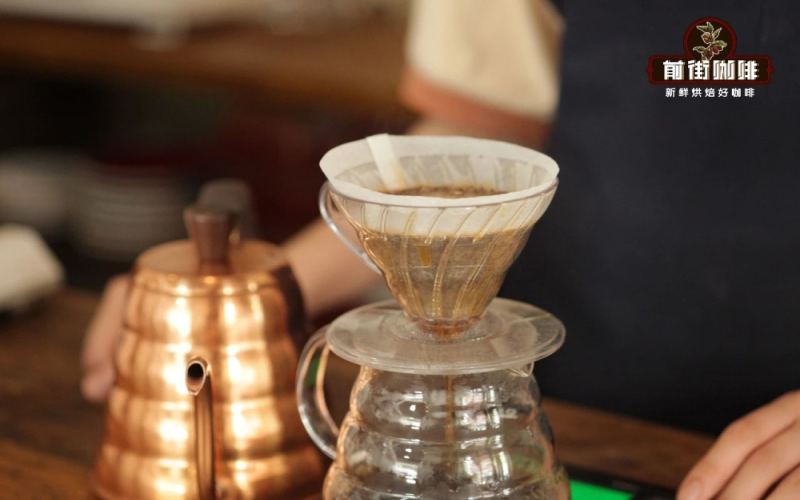
Freshly Ground Black Coffee | Is Pour-Over Coffee Better Tasting Than Plain Coffee Made with an American Coffee Machine? What Factors Affect the Flavor of Pour-Over Coffee?
Pour-over coffee is becoming more and more common. Besides the many people who try their hand at brewing pour-over coffee at home, many others buy coffee machines, such as American-style drip coffee makers. This kind of coffee machine is very similar to pour-over coffee: both rely on a slow, steady drip without high pressure. The difference between them is that one is manual, while the other [more…]
A Detailed Guide to Pour-Over Brewing for Specialty Coffee Beginners: The Complete Technique from Folding the Filter to the Blooming Pour
Pour-over coffee is often labeled as "lazy man's coffee," as if it requires no complex equipment to make easily. But truly brewing a delicious pour-over involves far more detail than one might imagine. From the way the filter paper is folded, the amount of coffee grounds and how they are tamped, to the two-stage water temperature reduction, the criteria for judging the bloom, and the stability of the water flow and circular pouring technique—every step directly affects the final flavor expression. This article systematically breaks down the seven basic steps of pour-over hand-brewed coffee and includes five practical tips to help coffee enthusiasts avoid common pitfalls and consistently brew clean, even, and fully aromatic specialty coffee at home. The article also incorporates product recommendations from Front Street Coffee as a reference for daily practice. [more…]
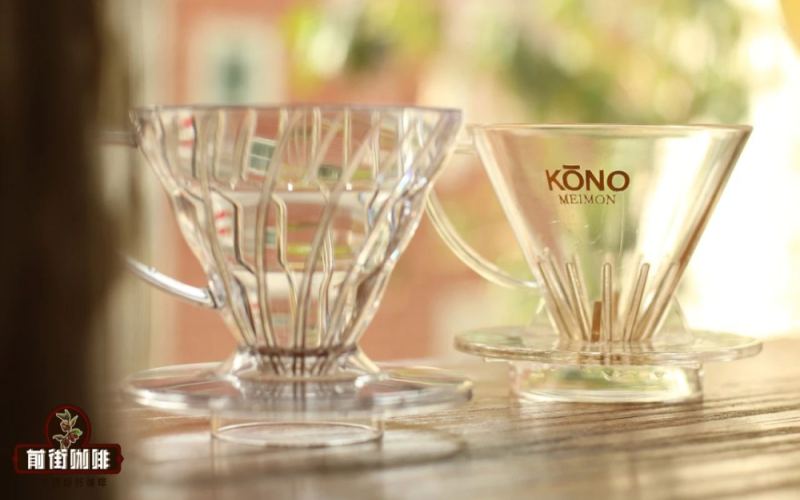
Pour-over Dripper Usage Tutorial | Which Coffee Beans Are Suitable for Brewing with the Kono Dripper? Introduction to the Kono Dripper's Extraction Principles and Coffee Flavors
The KONO dripper, like the Hario V60, is cone-shaped. The biggest difference lies in the height of the ribs. KONO has 12 ribs that are lower than those of the Hario V60, which helps with airflow during brewing and increases the efficiency of the bloom. When the KONO dripper is used together with its server, it's like [more…]
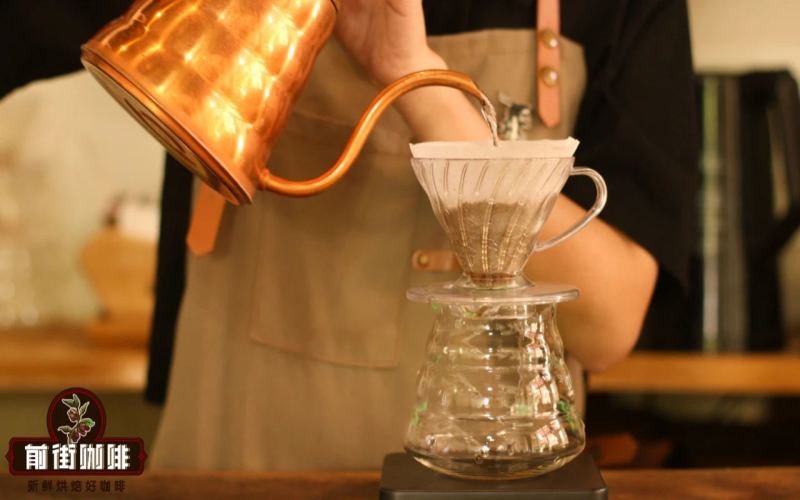
Definition of Pour-Over Coffee | What Coffee Equipment Is Needed to Make Pour-Over Coffee? How Does the Coffee-to-Water Ratio Differ Between Pour-Over Coffee and Iced Pour-Over Coffee?
What is "pour-over coffee"? Coffee beans undergo a series of chemical reactions during high-temperature roasting, generating various aromatic compounds. When we brew coffee, we use water and equipment to release these aromatic components. Pour-over coffee involves first grinding the coffee beans into powder, then pouring hot water to contact the coffee bed, "dissolving" the substances in the coffee. [more…]
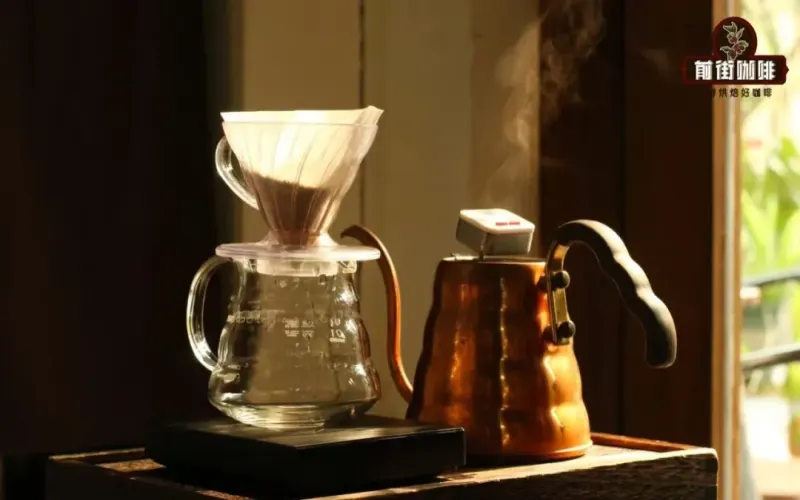
The Complete Beginner's Guide to Pour-Over Coffee: A Professional Tutorial from Bean Selection to Three-Stage Pouring
Pour-over coffee is not just an extraction method; it is a gentle ritual that demands focus and delicate control. From the choice of coffee beans to every detail of the pouring technique, each decision shapes the flavor profile of the final cup. This article will systematically walk coffee enthusiasts through the core essentials of pour-over coffee: how to select Arabica beans that suit your taste preferences, what equipment you need to prepare before brewing, how grind size affects extraction, and the classic three-pour technique that is ideal for beginners. Whether you are new to pour-over or an enthusiast looking to refine your skills, you will find practical and clear guidance here. [more…]
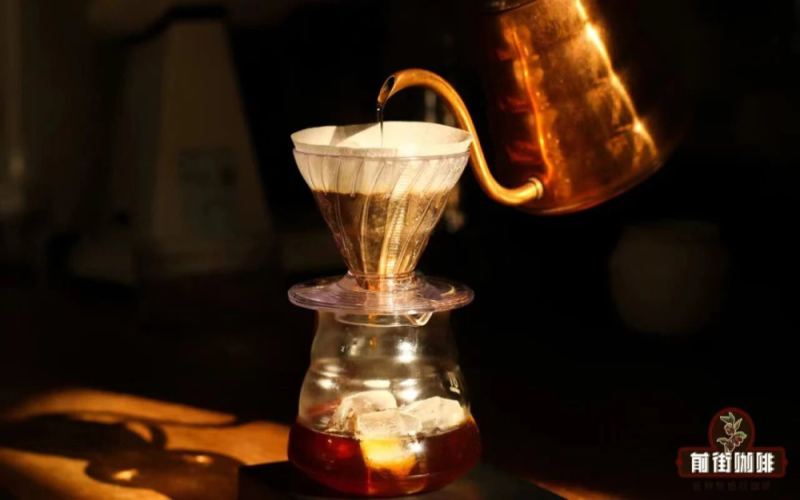
Japanese-style iced pour-over coffee brewing demonstration | What is single-pour iced pour-over? What is a suitable coffee-to-water ratio for iced pour-over coffee?
The recent weather is so hot it feels like it could melt you in minutes. In this kind of weather, anyone still willing to happily meet up at a café is definitely a friend for life! But even in such hot weather, you can't just give up coffee, right? So, if you don't want to go out, can't afford a cold drip tower, and can't wait several hours for cold [more…]
Geisha Coffee Floral Brewing Full Analysis: A Complete Guide from Variety Genetics to Extraction Parameters
Floral aromas are an extremely rare flavor type in the world of coffee, and not every coffee bean can present them. Starting from varietal genetics and growing environment, this article analyzes the principles behind the formation of floral aromas in coffee, and uses Front Street's Emerald Green Label Geisha from the Boquete region as an example to share in detail how to fully release the jasmine, citrus, and green tea notes contained in Geisha by adjusting the coffee-to-water ratio, pouring technique, and extraction time. Whether you are a beginner just getting into specialty coffee or an enthusiast hoping to refine your brewing skills, this guide will help you understand the dissolution characteristics of floral compounds and master practical methods for brewing a clear floral aroma. [more…]
Pour-over Coffee Brewing Details | How to Brew Single-Origin Beans Once Ground? Is Blooming Necessary for Pour-over? An Introduction to Pour-over Coffee Pouring Techniques and Extraction Parameters
After patiently listening to the barista's explanation and painstakingly choosing a bag of coffee beans to take home, you also "follow the same pattern" according to the brewing suggestions, only to find that the coffee you brew is vastly different from what you drank in the shop. You think it over and over, but still can't figure out where the problem lies... This is very likely caused by overlooking a certain detail. [more…]
KONO Dripper Brewing Guide: Extraction Characteristics Analysis and Medium-Dark Roast Coffee Bean Pairing Suggestions
The KONO dripper, with its distinctive rib design and slow flow rate, produces a flavor profile in coffee extraction that is completely different from the Hario V60. This article starts with the dripper's structure to explain why it is better suited to medium-dark roasted or full-bodied coffee beans, and uses the classic Front Street Golden Mandheling as an example to break down a complete brewing recipe covering dose, grind size, water temperature, and three-pour technique. Whether you want to understand the extraction logic of the KONO dripper or are looking for coffee beans to match it, this article will provide clear and practical guidance. [more…]

Pour-over Coffee Three-Stage Pouring Technique Tutorial | How Much Water for 15g of Coffee Powder in Pour-over Coffee? How Can Coffee Beginners Make a Single Serving of Pour-over Coffee?
When brewing pour-over coffee, Front Street Coffee insists on using a 1:15 coffee-to-water ratio—why is that? Was this result arrived at by chance, or was it derived from various brewing experiments based on data? In this article, Front Street will explain why. [more…]
A Complete Guide to Ethiopia's Yirgacheffe Region: Washed Processing, Medium-Light Roast, and Pour-Over Flavor Guide
Yirgacheffe is one of Ethiopia's most iconic specialty coffee regions. With its white floral aromatics, citrus notes, and a clean, green-tea-like clarity, it is celebrated as "a burst of blossoms the moment it touches your lips." This article takes a systematic look at where Yirgacheffe's flavor comes from and the key points of extraction—from the region's history, washed processing methods, and the logic of medium-light roasting, to the pour-over parameters used at Front Street Coffee's cafés. Whether you are a newcomer just getting started or an advanced enthusiast, you will come away understanding why this bean has become a landmark of the fruity-acidity coffee era, and how to fully unlock its terroir through sound brewing technique. [more…]
Yirgacheffe Pour-Over Guide: How 92–93°C Water Unlocks Floral Aromas and Citric Acidity
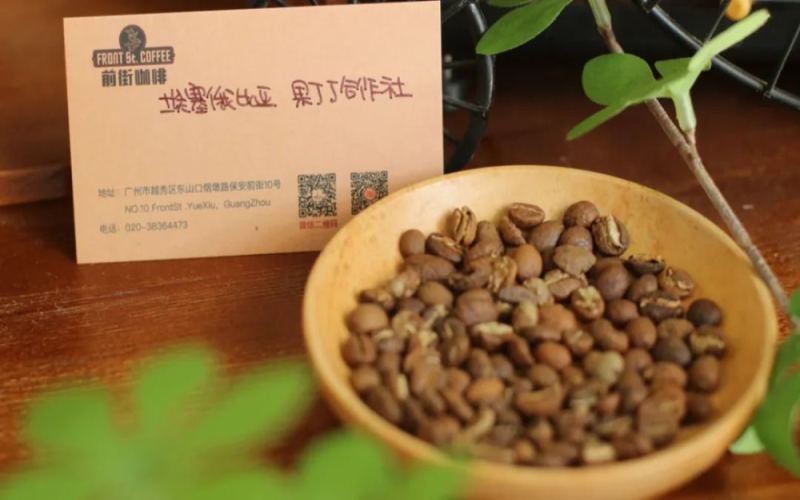
Yirgacheffe is famous for its enchanting floral aroma and citric acidity, but if you want to brew this kind of flavor at home, water temperature, grind size, and pouring technique are all crucial. Using two beans, the washed Gedingding Cooperative and the natural Red Cherry, Front Street Coffee shares a complete approach from cupping comparison to actual pour-over brewing. This article will analyze in detail why a high temperature of 92-93°C best brings out the floral and fruity notes, how the spiral ribs of the V60 dripper affect the layers of extraction, and the specific rhythm of the three-stage pouring method, helping you reproduce a cup of Yirgacheffe that is clean and sweet with an obvious lingering sweetness. [more…]
Are Blue Mountain coffee beans suitable for espresso? A full analysis from origin characteristics to pour-over parameters
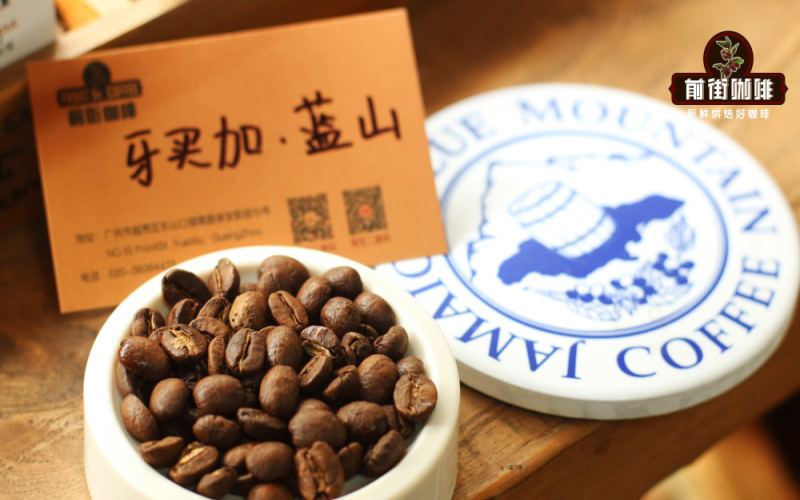
Blue Mountain coffee has long been regarded as the nobility of coffee, thanks to the unique terroir of Jamaica's high altitudes. But can it actually be used to make espresso? And how should it be brewed to showcase its best flavor? This article will first sort out Blue Mountain coffee's varietal classification and growing region conditions, then, drawing on the practical experience with Front Street Coffee beans, break down the key details of pour-over Blue Mountain in terms of bean preparation, boiling water, equipment setup, and staged pouring, and finally offer a suggested order of sensations for tasting. Whether you are an espresso enthusiast or a pour-over devotee, you will find practical ideas you can put to use. [more…]
Hand-Brewed Yirgacheffe Floral and Lemon Flavor Analysis: A Complete Guide to Water Temperature, Coffee-to-Water Ratio, and V60 Brewing Techniques
Yirgacheffe is beloved by coffee enthusiasts for its signature floral aroma and citric acidity, but how can you brew a clean, bright, and layered pour-over Yirgacheffe at home? Starting from Front Street Coffee's roasting approach and cupping flavors for Yirgacheffe, this article compares in detail the flavor differences between two beans—the washed Gedingding Cooperative and the natural Red Cherry—and, centered on water temperature, grind size, coffee-to-water ratio, and the extraction principles of the V60 dripper, fully shares a café-level three-pour brewing method. Whether you prefer a fresh tea-like character or a fuller fermented aroma, you can find brewing parameters and tasting references that suit you. [more…]